Marywood became a home quickly. After this it become a life changing place where I could continue to explore who I am and what it is that I want my life to be about. I was g...
Earn a certificate in Bioethics and study the ethical issues that arise in our efforts to advance medical technology and improve human health.
In the Bioethics Certificate program, students will learn how to think through complex ethical issues such as physician-assisted dying, decision-making for incompetent patients, access to healthcare, stem cell research, and the use of genetic technology in reproductive choices.
Employment in a variety of settings, including health care, pharmaceutical and biotechnology companies, academic institutions, and more.
Online Courses are Available
11:1 faculty-student ratio with personalized attention from highly credentialed faculty for each student.
Marywood is ranked #14 Best Value School by U.S. News & World Report’s Best Colleges rankings for 2026, making Marywood a great, centrally located option for students in Northeastern Pennsylvania who want to stay closer to home.
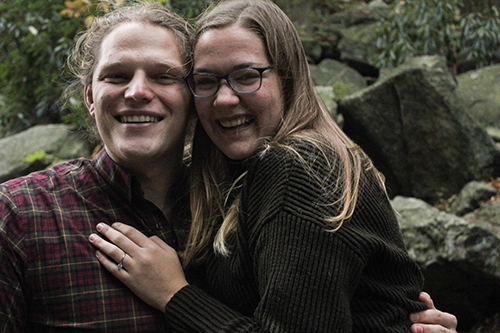
Marywood became a home quickly. After this it become a life changing place where I could continue to explore who I am and what it is that I want my life to be about. I was g...
Explore the vibrant community and endless opportunities that await you at Marywood. Attend one of our special events designed specially for you to learn more about Marywood's degree programs, dedicated faculty, and welcoming campus.
Campus Visits »Marywood University hosts three academic Centers of Excellence on campus; The Center for Law, Justice and Policy, The Center for Urban Studies, and The Mother Theresa Maxis, IHM Center. Each center provides students with the tools and resources to excel in their academic endeavors, fostering a dynamic environment where they can engage deeply with their respective fields of study and make meaningful contributions to their communities and beyond.
Marywood University is accredited by the Middle States Commission on Higher Education (MSHE). / ADDRESS / 3624 Market Street, 2nd Floor West, Philadelphia, PA 19104. | Phone: (267) 284-5000
Info For: