What Happens During Your First Clinical Rotation in Nursing School?
Published Blog Post
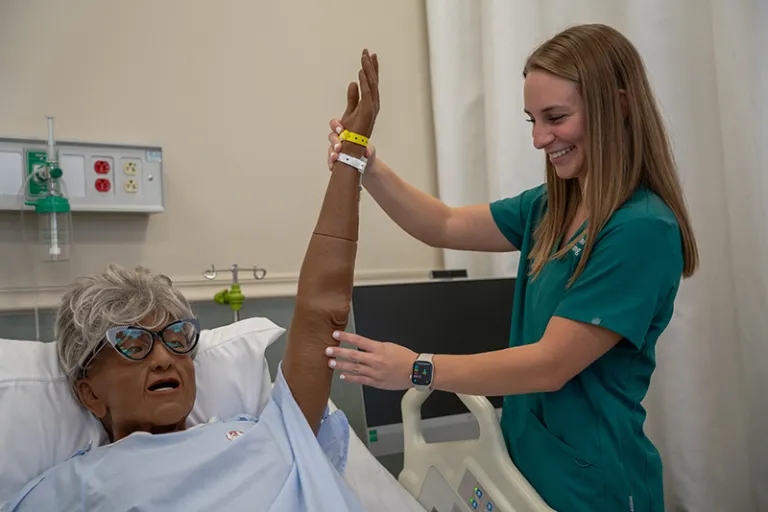
Starting nursing school is exciting, but getting ready for your first clinical rotation can also feel a little intimidating. After spending time learning about patient care in the classroom and practicing skills in a lab, nursing clinicals are where students begin applying that knowledge in real healthcare settings.
Your first clinical rotation is an opportunity to observe healthcare professionals, interact with patients, practice basic nursing skills, and learn what it takes to provide quality patient care. You won't be expected to know everything on your first day. Instead, you'll be guided by nursing instructors and experienced healthcare professionals as you begin developing the skills and confidence needed for a career in nursing.
If you're wondering what to expect during nursing clinicals, here's a look at what your first experience may involve.
What Are Nursing Clinicals?
Nursing clinicals are supervised, hands-on learning experiences that allow students to apply what they learn in nursing classes to real patient care situations. Clinical rotations typically take place in healthcare settings such as hospitals, long-term care facilities, outpatient clinics, and community health organizations.
Unlike traditional classroom instruction, clinical experiences give students the opportunity to see how nurses work with patients, communicate with healthcare teams, and make decisions throughout a shift.
Depending on the nursing program and stage of your education, clinical experiences may include observing patient assessments, taking vital signs, assisting with daily care, reviewing patient records, and practicing communication skills.
Clinical rotations also expose students to different areas of healthcare, helping them understand the responsibilities of nurses in a variety of settings.
What to Expect During Nursing Clinicals
Your first clinical rotation will likely involve a combination of observation, guided practice, and interaction with patients. While every nursing program and clinical placement is different, there are several experiences you can expect.
Getting Familiar With the Healthcare Setting
Before working directly with patients, you'll have time to become familiar with your clinical environment. This may include learning where supplies are kept, understanding unit procedures, reviewing safety expectations, and meeting the healthcare professionals you'll be working alongside.
Your instructor will explain expectations for the rotation and help you understand your responsibilities as a nursing student.
Observing Patient Care
Observation is an important part of your first clinical experience. You'll have the opportunity to watch nurses interact with patients, perform assessments, administer care, and communicate with other members of the healthcare team.
Pay attention to how nurses approach different situations, prioritize responsibilities, and make patients feel comfortable. These everyday interactions can teach you just as much as practicing a clinical skill.
Practicing Basic Nursing Skills
As you become more comfortable, you may have opportunities to practice basic nursing skills under supervision. Depending on your experience and clinical placement, these may include:
- Measuring blood pressure, temperature, pulse, and respiration.
- Assisting patients with daily activities and personal care.
- Observing and documenting patient information.
- Practicing proper infection prevention techniques.
- Communicating patient needs to the nursing team.
These experiences help connect what you've learned in class to the responsibilities of providing patient care.
Communicating With Patients and Healthcare Professionals
Nursing involves more than understanding medical procedures. Communication plays a major role in providing safe and effective patient care.
During clinicals, you'll begin learning how to introduce yourself to patients, listen to their concerns, ask appropriate questions, and communicate important information to nurses and other healthcare professionals.
You may feel nervous during these first interactions, but each experience helps you become more comfortable communicating in a healthcare environment.
How to Prepare for Nursing Clinicals
A little preparation can make your first clinical rotation feel much more manageable. Here are a few ways to get ready before your first day.
Review your nursing coursework. Refresh your understanding of basic nursing concepts, vital signs, infection prevention, and patient safety. You don't need to memorize everything, but reviewing foundational information can help you feel more prepared.
Know your clinical requirements. Make sure you understand your program's expectations for uniforms, identification badges, required equipment, documentation, and arrival times.
Get organized the night before. Prepare your uniform, comfortable shoes, supplies, and anything else you'll need. Getting everything ready ahead of time can help reduce first-day stress.
Prioritize rest. Clinical rotations can involve long hours on your feet and require a lot of concentration. Getting enough sleep and eating before your shift can help you stay focused.
Ask questions. If you're unsure about a procedure, patient interaction, or expectation, ask your instructor. Clinicals are designed to be learning experiences, and asking questions is an important part of becoming a safe and knowledgeable nurse.
How Clinical Rotations Help You Become a Nurse
Nursing clinicals are an important part of preparing for professional practice because they allow students to develop skills that cannot be fully learned through textbooks alone.
With each rotation, students gain more exposure to different patient needs, healthcare environments, and nursing responsibilities. They also begin developing important professional qualities, including critical thinking, time management, teamwork, adaptability, and compassion.
As students progress through nursing school, clinical experiences typically become more involved. What begins with observation and basic patient care can develop into more complex responsibilities under the supervision of qualified instructors and healthcare professionals.
These experiences help students understand what it means to care for patients while preparing them for the transition from nursing school to professional practice.
Start Your Nursing Journey at Marywood University
The transition from the classroom to hands-on patient care is one of the most important parts of nursing education. At Marywood University, students pursuing nursing have the opportunity to build the knowledge and skills needed to take the next step toward a career in healthcare.
Whether you're just beginning to explore nursing or looking for a pathway to advance your education, finding a program that combines academic preparation with practical experience is an important first step.
Explore nursing programs at Marywood University and discover where your education can take you.
More Marywood News and Blogs
No news stories or blog posts match your filters in this widget.
-
 What Happens During Your First Clinical Rotation in Nursing School? Blog Post
Your first clinical rotation is an opportunity to observe healthcare professionals, interact with patients, practice basic nursing skills, and learn what it takes to provide quality patient care. You won't be expected to know everything on your first day.
-
 Merry & Bright at Marywood University News Story
Join us for a joyful tradition that features multiple ways to celebrate the season through festive programming, prayer, and community service opportunities.
-
 Grow PA Scholarship Grant Awarded to Respiratory Therapy Student News Story
Marywood University junior Respiratory Therapy student Alyson Schirg receives the Grow PA Scholarship Grant, which provides financial assistance to Pennsylvania students pursuing degrees in high-demand career fields.