Marywood has been an excellent experience. The professors are well-informed and really friendly. They know every student and care about how students do in their class. The s...
The Bachelor of Science degree in Biology pre-professional track is designed for the highly qualified, student who wishes to pursue admission to medical, dental or veterinary studies. The Biology pre-professional degree also offers sufficient flexibility to prepare students for future studies in law, business administration and education, and to enter the ancillary fields of the health professions.
Pre-Medical, Pre-Dental, and Pre-Veterinary studies
prepare students for future studies in a variety of areas
offer a broad base knowledge of living forms and of modern advances in the biological sciences
develop a sense of organization and continuity in nature
foster an awareness of the individual's responsibilities to the world and environment and
prepare the student for professional, educational, high-technology and industrial careers.
More than 100+ club and organization opportunities on campus
Learn more about student clubs and organizations (opens in a new window)
& Intern Opportunities with Dedicated Faculty Support
Learn More about research and internship opportunities (opens in a new window)
Opportunities for Students and research abroad
Learn More about Fulbright scholar opportunities (opens in a new window)
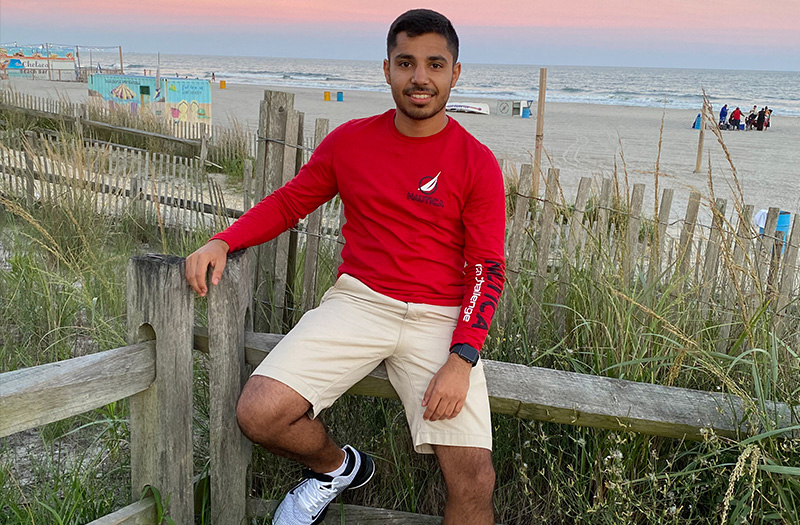
Marywood has been an excellent experience. The professors are well-informed and really friendly. They know every student and care about how students do in their class. The s...
Completed application
Official transcripts
Letter of recommendation
Official SAT and/or ACT test scores (Marywood is test optional)
Essay (optional)
The Center for Natural and Health Sciences (CNHS) is equipped with seven large teaching laboratories.
laboratory space for teaching labs, equipped with ductless fume green hoods
an environmental wet laboratory/greenhouse
five dedicated research laboratories
state-of-the-art anatomy and physiology laboratory houses virtual dissection Anatomage table
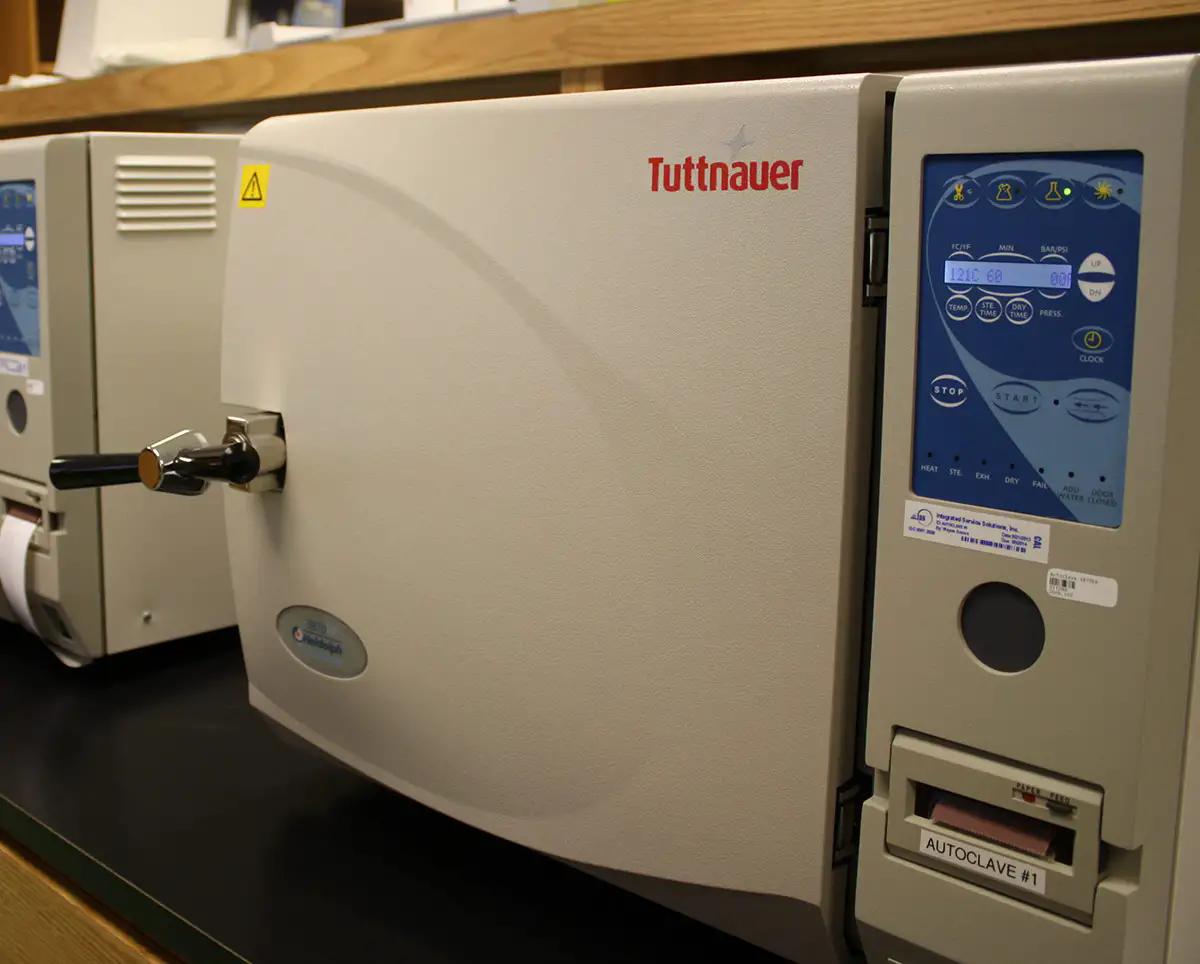
Autoclaves Autoclaves are pressure chambers that sterilize equipment, perform scientific experiments, or carry out industrial processes using high pressure steam.
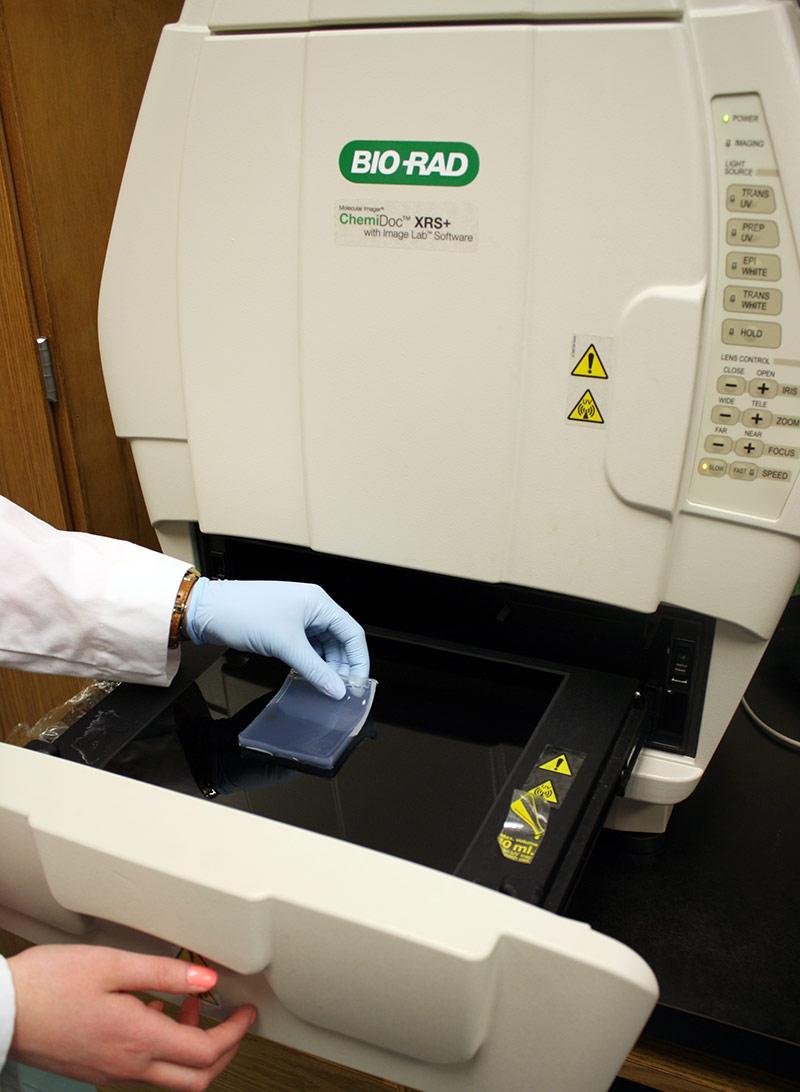
Gel & Blot Imaging System The ChemiDoc XRS+ System features high-sensitivity detection for a wide range of methods including fluorescence and densitometry.
The ChemiDoc XRS+ system is based on CCD high-resolution, high-sensitivity detection technology and modular options to accommodate a wide range of samples and support multiple detection methods including fluorescence, colorimetry, densitometry, chemiluminescence, and chemifluorescence. The system is controlled by Image Lab™ software to optimize imager performance for fast, integrated, and automated image capture and analysis of various samples.
The system accommodates a wide array of samples, from large handcast polyacrylamide gels to small ReadyAgarose™ gels and various blots. The system is an ideal accompaniment to PCR, purification, and electrophoresis systems, enabling image analysis and documentation of restriction digests, amplified nucleic acids, genetic fingerprinting, RFLPs, and protein purification and characterization.
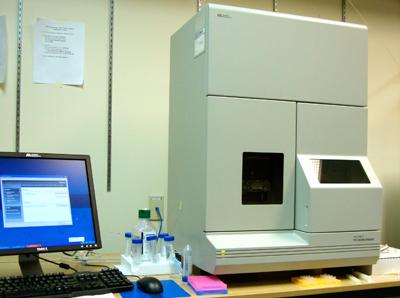
Genetic Analyzer DNA Sequencing machine

Incubator Shakers Innova 42 stackable incubated shakers provide broad temperature capabilities for culturing a wide variety of organisms in flasks up to 3 L
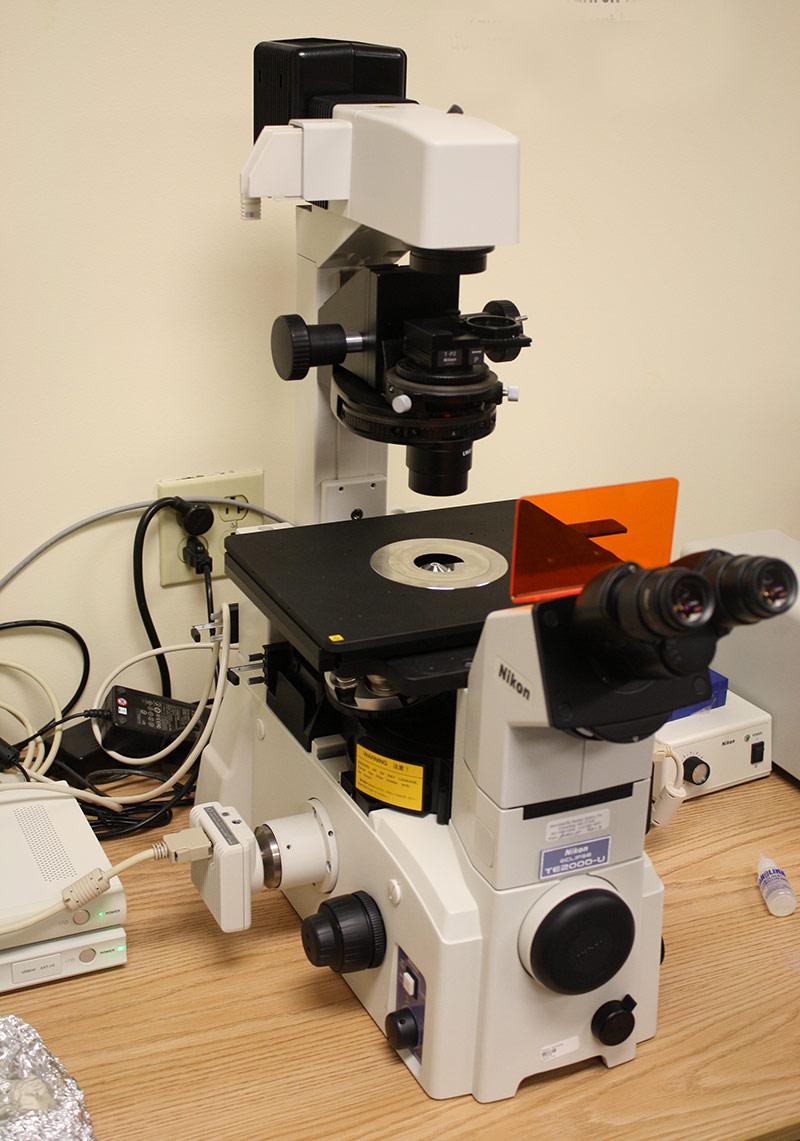
Inverted Fluorescent Microscope Nikon TE 2000U Inverted Fluorescent Microscope with Normarski D/C components and digital imaging capabilities.

Liquid Chromatography Mass Spectrometer (LC-MS) Used in microbiology, molecular biology, proteomics, and drug testing, liquid chromatography mass spectrometers can be used for microorganism detection, protein sequencing, analysis, and research. The LC part separates the sample into its components, which are ionized and sent through the mass spectrometer for identification.

Spectrophotometers The spectrophotometer is an instrument that can be adjusted to illuminate a sample with a specific wavelength of light. The spectrophotometer then measures the amount of light energy that is absorbed or transmitted by the sample.
The Hach DR 5000 UV-Vis Laboratory Spectrophotometer offers a broad range of water analysis methods with more than 240 pre-programmed tests.
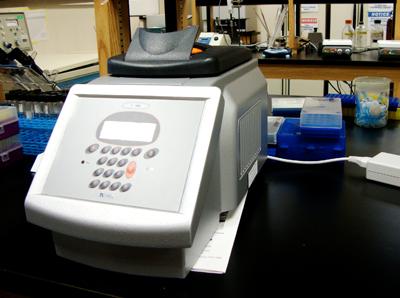
Thermal Cycler The thermal cycler is a laboratory apparatus most commonly used to amplify segments of DNA via the polymerase chain reaction.
The Center for Natural and Health Sciences contains various science laboratories, including a Microbiology and Molecular/Cellular Biology lab, an Organic Chemistry lab, an Anatomy and Physiology lab, a Physics lab, a Biotechnology research lab, and an Environmental wet laboratory, along with a greenhouse, computer labs, and various classrooms.
Classrooms for our Math and Computer Science, Science, and Public Administration programs are in this building. The 100-seat Comerford Theatre, one of two large lecture halls on campus, is located here.
The O'Neill Center for Healthy Families, located on University Avenue, provides classroom and research space, joining academic programs to innovative research. Students from the Nursing, Nutrition and Dietetics, Exercise Science, Respiratory Therapy, and Physician Assistant programs have classes in this building. It is also home to The Human Performance Lab, a state-of-the-art facility designed to serve the needs of student, professional, amateur, and recreational athletes and the community.
The Keith J. O'Neill Center for Healthy Families, dedicated on October 18, 2002, was named in honor of its benefactor, esteemed alumnus and former trustee Keith J. O'Neill '76, the first male to graduate from Marywood's dietetics program and an accomplished leader in the dietetics profession. He credits Marywood for "(giving) me the skills and confidence to take on the challenges that come from running a large food service department and eventually from the challenges created by starting my own company."
In 2024, Marywood University further expanded its deep commitment to health sciences during the dedication of the Pascucci Family Health Sciences Pavilion, a transformative addition to the Keith J. O'Neill Center for Healthy Families and a cornerstone of the EMPOWER Campaign.
The $11.5 million Pascucci Family Health Sciences Pavilion is a realization of Marywood's commitment to providing state-of-the-art facilities for education in the health sciences. Generously supported by the Pascucci Family and other dedicated donors, this new space elevates the learning experience of future healthcare professionals and contributes to the University's mission of fostering excellence in education.
Morris K. Udall Scholarship
The Udall Foundation seeks future leaders across a wide spectrum of environmental fields, including policy, engineering, science, education, urban planning and renewal, business, health, justice, and economics. The Foundation also seeks future Native American and Alaska Native leaders in public and community health care, tribal government, and public policy affecting Native American communities, including land and resource management, economic development, and education.
Department Chair | Associate Professor
Professor
Lecturer | Lecturer
Lecturer
Assistant Professor
Lecturer
Lecturer
Lecturer
Lecturer
Instructor
Professor Emeritus | Lecturer
Asst Golf Coach | Assistant Professor
Chemical Hygiene Officer | Science Lab Manager
Assistant Professor
Lecturer
Lecturer
Professor
Lecturer
Lecturer
Assistant Professor of Practice
Instructor of Practice
Lecturer
Lecturer
Assistant Professor of Practice
Lecturer
Lecturer
Lecturer
Assistant Professor of Practice
Lecturer
|
Course Numbers
|
Course Names
|
Credit Hours
|
|---|---|---|
|
Fall
|
|
15 total
|
|
**BIOL 150 + L
|
General Biology I + Lab
|
4
|
|
**CHEM 131 + L
|
General Chemistry I + Lab
|
4
|
|
**STEM 101
|
STEM FYE
|
1
|
|
*PHIL 120/121
|
The Examined Life/The Good Life
|
3
|
|
*RST 112
|
Encountering Faith
|
3
|
|
Spring
|
|
18 total
|
|
**BIOL 151 + L
|
General Biology II + Lab
|
4
|
|
**CHEM 132 + L
|
General Chemistry II + Lab
|
4
|
|
**MATH 155
|
Statistics
|
3
|
|
**STEM 102
|
STEM FYE
|
1
|
|
*COMM XXX
|
Oral Communication
|
3
|
|
*ENGL 160
|
Composition and Rhetoric
|
3
|
*Courses are Core placeholders and can be taken in a different sequence
**Courses are Core courses that MUST be taken in those semesters in order to stay in sequence for Exercise Science
|
Course Numbers
|
Course Names
|
Credit Hours
|
|---|---|---|
|
Fall
|
|
14-15 total
|
|
**BIOL 235 + L
|
Microbiology + Lab
|
4
|
|
**CHEM 221 + L
|
Organic Chemistry I + Lab
|
4
|
|
*LANG 150/250
|
Language
|
3
|
|
*MATH 170/211
|
Calculus
|
3/4
|
|
Spring
|
|
17 total
|
|
**BIOL XXX + L
|
Elective + Lab
|
3
|
|
**CHEM 222 + L
|
Organic Chemistry II + Lab
|
4
|
|
*Writing Intensive
|
Any Writing Intensive Course
|
3
|
|
*FINE ARTS
|
Any Fine Arts Course
|
3
|
|
*HIST
|
Any History Course
|
3
|
*Courses are Core placeholders and can be taken in a different sequence
**Courses are Core courses that MUST be taken in those semesters in order to stay in sequence for Exercise Science
|
Course Numbers
|
Course Names
|
Credit Hours
|
|---|---|---|
|
Fall
|
|
16 total
|
|
**PHYS 303 + L
|
Physics I + Lab
|
4
|
|
*ENGL LIT
|
Any English Literature Course
|
3
|
|
*CORE ELECTIVE
|
Any Core Elective
|
3
|
|
Spring
|
|
17 total
|
|
**PHYS 304 + L
|
Physics II + Lab
|
3
|
|
*PHIL/RST
|
Any PHIL/RST Elective
|
3
|
*Courses are Core placeholders and can be taken in a different sequence
**Courses are Core courses that MUST be taken in those semesters in order to stay in sequence for Exercise Science
|
Course Numbers
|
Course Names
|
Credit Hours
|
|---|---|---|
|
Fall
|
|
14 total
|
|
***EXSC 440
|
Advanced Exercise Phys.
|
3
|
|
***EXSC 480
|
Practicum
|
3
|
|
ND 331
|
Sports Nutrition
|
3
|
|
****SCI Elective + L
|
Any Science Elective + Lab
|
3
|
|
***EXSC 495
|
Senior Seminar
|
1
|
|
Spring
|
|
15 total
|
|
***EXSC 481
|
Practicum
|
3
|
|
***EXSC 424
|
Organization and Administration in EXSC
|
4
|
|
***EXSC 340
|
Movement Assessment
|
3
|
|
*PHIL
|
Any Philosophy Elective
|
3
|
|
*HIST
|
Any History Course
|
3
|
*Courses are Core placeholders and can be taken in a different sequence
***EXSC prefixed courses are required in sequence
****General science courses are suggested and can be replaced with appropriate science courses to complete prerequisite requirements for various graduate programs
The Biology Program at Marywood University is designed to:
offer a broad- based knowledge of living forms and of modern advances in the biological sciences;
develop a sense of organization and continuity in nature;
foster an awareness of the individual’s responsibilities to the world and environment; and
prepare the student for professional, educational, technology, and industrial careers.
Our program offers sufficient flexibility to prepare students for future studies in the pharmaceutical industry, biotechnology research, environmental science, graduate school, education, and to enter the ancillary fields of the health professions, such as medical, dental, or veterinary school.
From #DayOne, Marywood is here for you each step of the way.
Explore the vibrant community and endless opportunities that await you at Marywood. Attend one of our special events designed specially for you to learn more about Marywood's degree programs, dedicated faculty, and welcoming campus.
Campus Visits »Marywood University hosts three academic Centers of Excellence on campus; The Center for Law, Justice and Policy, The Center for Urban Studies, and The Mother Theresa Maxis, IHM Center. Each center provides students with the tools and resources to excel in their academic endeavors, fostering a dynamic environment where they can engage deeply with their respective fields of study and make meaningful contributions to their communities and beyond.
Marywood University is accredited by the Middle States Commission on Higher Education (MSHE).
Info For: