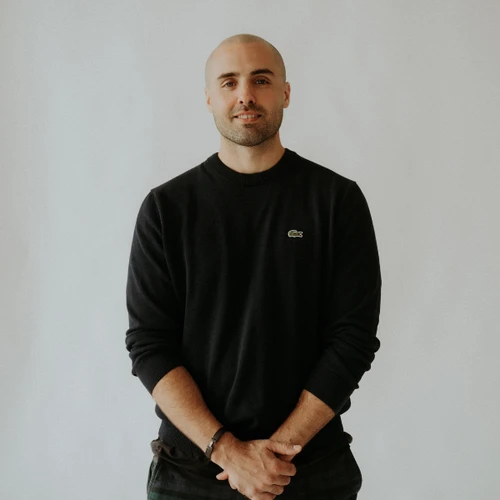
John Volpe
Purpose in Practice: John Volpe’s Commitment to Leadership and Public Health
John Volpe is a two-time Marywood University graduate who earned his bachelor’s degree in Physical Education in 2014 and his Ph.D. in Strategic Leadership and Administrative Studies in 2023. Today, he works with Excalibur Insurance Management Services, LLC, where he applies the knowledge and values developed through his education to his professional life. Beyond his work, John is passionate about public health policy, particularly childhood obesity, with a current focus on the school food environment and physical education curriculum.
John chose Marywood for its proximity to home, welcoming small-community atmosphere, established record of academic excellence, and commitment to its mission and values. These qualities made the University a place where he could pursue his education while developing personally and professionally.
When reflecting on the people who had the greatest influence on his time at Marywood, John recognizes several faculty members who made a lasting impact throughout his undergraduate and doctoral studies. Dr. Shelby Yeager served as his undergraduate advisor, while Dr. Piatak was a professor whose approach to teaching made learning more enjoyable. During his doctoral studies, Dr. Lyter, Dr. Richards-Palmiter, and Dr. Swanchak served on his dissertation committee and provided guidance throughout his research. Together, these individuals helped shape John’s academic experience and contributed to his development as a student and professional.
One of John’s proudest professional accomplishments is authoring Childhood Obesity in the United States: Legislators and Facilitators, an academic book that examines barriers to childhood obesity legislation and public policy in the United States. His research explores how competing values, political priorities, industry interests, and other external influences shape the legislative process and affect which public health issues receive attention. John’s work emphasizes the complexity of addressing childhood obesity and the importance of considering these competing priorities when developing future policies and advocacy efforts.
The book’s publication grew from research John conducted during his doctoral studies at Marywood. His dissertation chair, Dr. Lyter, whom John holds in the highest regard, encouraged him to expand his research and consider publishing a book. “My dissertation chair, Dr. Lyter, is someone whom I hold in the highest regard and admire. He seemed to genuinely care about the work I was doing and asked whether I considered expanding my research and writing a book,” John says. That encouragement helped transform his dissertation research into a published academic contribution and stands as an example of how faculty mentorship can inspire students to pursue their work beyond the university.
John credits his Marywood education with contributing to both his personal and professional development. More than preparing him for a particular career, his experience encouraged him to consider how his values could guide his actions and decisions. “It helped me strive to live a virtuous life and apply the virtues I prioritize in practice so I can contribute in meaningful ways to my field and to society,” he says. This commitment to applying ethical principles in everyday life continues to shape his approach to his work and his broader contributions to society.
Looking back, John describes his university experience as an opportunity to gain knowledge that extends beyond professional preparation. “It helped me acquire the knowledge necessary to live a more fulfilling life,” he says. Reflecting on this growth, John references the philosophy of Aristotle, specifically the concept of “the activity of the soul in accordance with reason.” His reflection underscores the importance of lifelong learning, thoughtful decision-making, and the pursuit of a meaningful life.
John’s interest in childhood obesity and public health policy continues today. His current focus examines the school food environment and physical education curriculum, building on themes explored in his book. He is particularly interested in how educational systems, policy decisions, and practical interventions can contribute to addressing childhood obesity. Through his research and writing, John seeks to encourage a deeper understanding of the challenges involved in public policy and the importance of translating research into meaningful action.
John recognizes that higher education has changed considerably since his time as a student. “For brevity, the entire higher education landscape has changed,” he says, noting that the shifts extend across social, political, and economic areas. As universities continue to respond to these changes, his perspective highlights the importance of adapting to new challenges while maintaining a commitment to meaningful learning and development.
For current Marywood students, John encourages them to move beyond theoretical knowledge and seek opportunities to apply what they learn. “Theory is not enough. Push for practical application,” he advises. He also offers a simple reminder to make the most of the opportunities available to them: “Carpe Diem.”
From his undergraduate studies in Physical Education to his doctoral work in strategic leadership and his accomplishments as an author, John’s Marywood journey reflects a commitment to learning, personal growth, and the practical application of knowledge. His published research and continued interest in public health policy demonstrate how education can extend beyond professional achievement to inform meaningful contributions to society.