
James Marinello
A Career Dedicated to Helping Children: James Marinello’s Marywood Journey
James Marinello, a 1978 Marywood University graduate who earned his Master of Social Science, has dedicated much of his professional life to education and helping children navigate difficult social challenges. Since 1974, he has worked to help police departments and young people better understand the challenges of gang involvement and child abuse. Hired by King’s College in 1978, James has taught part-time for 47 years, sharing his knowledge and experience with undergraduate and graduate students. Through his teaching, curriculum development, and work as a children’s book author, he continues to pursue his passion for making a positive difference in the lives of young people.
James chose Marywood for its “great reputation,” a quality that helped shape his decision to pursue graduate studies at the University. During his time at Marywood, Sister Margaret Ganon had the greatest influence on his experience. The education and relationships he developed during his graduate studies helped establish a foundation for his future career in education and social services.
One of James’s significant professional accomplishments was designing and teaching Marywood’s graduate-level course on child abuse. He also taught the correctional process in the University’s Public Administration Department. At King’s College, he went on to design the institution’s first courses on child abuse and gang involvement, developing both subjects at the undergraduate and graduate levels. Through his curriculum development and decades of teaching, James has helped students better understand complex social issues and the challenges that affect children and families.
In addition to his teaching, James has spent decades working with police departments and helping young people understand the realities of gang involvement and child abuse. His background includes 25 years in law enforcement, complemented by his ongoing work in gang research and education. By bringing together practical experience and academic instruction, James has worked to increase awareness of these issues and support efforts to protect children and communities.
James credits his Marywood education with helping him build the knowledge and skills necessary to pursue this work. Reflecting on the role the University played in his life, he says, “I wouldn’t be where I am today without it.” His career demonstrates how graduate education can provide a foundation for professional growth while opening opportunities to develop new programs, share knowledge, and influence future generations of students.
Beyond the classroom, James has extended his commitment to educating and protecting young people through his published children’s book, Pokey: The Wannabe Gang Puppy. Drawing on his decades of experience in law enforcement, gang research, and education, James created the book as an early-intervention resource to help children recognize the risks of gang involvement and understand the importance of making positive choices.
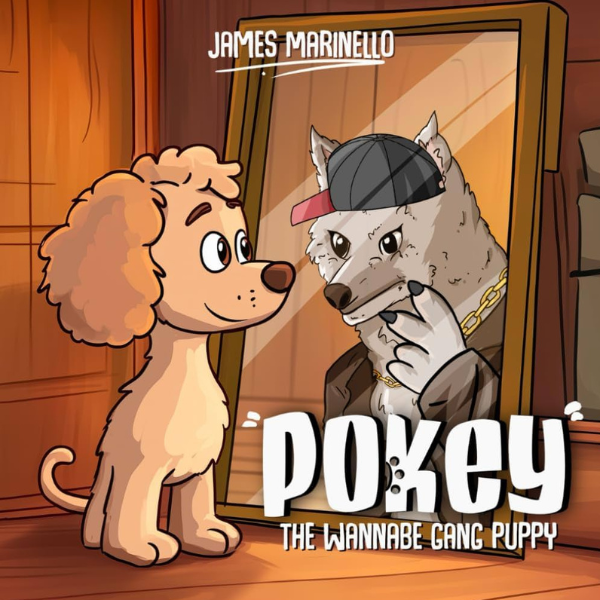
The story follows Pokey, a small puppy who wants to join a pack of wolves because he believes being part of the group would make him seem cool. The wolfpack serves as a symbol for a street gang, allowing young readers to explore a difficult subject through an approachable and relatable story. As Pokey discovers that joining the pack is not what he imagined, he begins to learn important lessons about belonging, courage, and self-discovery. Aimed at young children, beginning around age five, the book encourages readers to think critically about peer pressure and recognize that the desire to fit in should never come at the expense of their safety or values.
Through Pokey: The Wannabe Gang Puppy, James brings years of professional experience into a format designed to reach children before they may encounter the pressures associated with gang involvement. Rather than addressing the issue solely through statistics or warnings, he uses a symbolic story to introduce meaningful conversations about friendship, decision-making, and the consequences of following the wrong crowd. The book reflects his belief in the importance of early education and prevention in helping young people make informed decisions as they grow.
The book also carries a charitable purpose. James has committed to donating all proceeds from its sales to St. Jude Children’s Research Hospital, combining his passion for helping children with his desire to support those facing serious health challenges. Through both its message and its charitable mission, the book represents an extension of the dedication he has demonstrated throughout his career.
Looking back on the evolution of higher education since his graduation, James recognizes the ways universities have continued to adapt to students’ needs and professional goals. He observes that higher education “has advanced to aid students to the professional fields they desire.” His perspective reflects an appreciation for the role universities play in helping students prepare for their chosen careers and develop the expertise needed to succeed.
For current Marywood students, James emphasizes the importance of pursuing a field that genuinely interests them and committing themselves to excellence. His advice is straightforward: “Pick a degree program in a field you like and devote 100 percent to making yourself the best in your career choice.” His message encourages students to take ownership of their education, invest in their professional development, and approach their chosen careers with dedication.
From designing and teaching Marywood’s graduate-level child abuse course to developing King’s College’s first child abuse and gang courses at both the undergraduate and graduate levels, James Marinello’s journey reflects a sustained commitment to education and helping children. Through his decades of work with police departments, his 47 years of part-time teaching at King’s College, and his children’s book Pokey: The Wannabe Gang Puppy, he continues to share his knowledge with students, families, and young readers. His story demonstrates how the foundation built through a Marywood education can extend well beyond the classroom, creating opportunities to educate communities, support children, and make a lasting difference in the lives of others.