Marywood Graduate Publishes Book Examining Childhood Obesity Policy in the United States
Published News Story
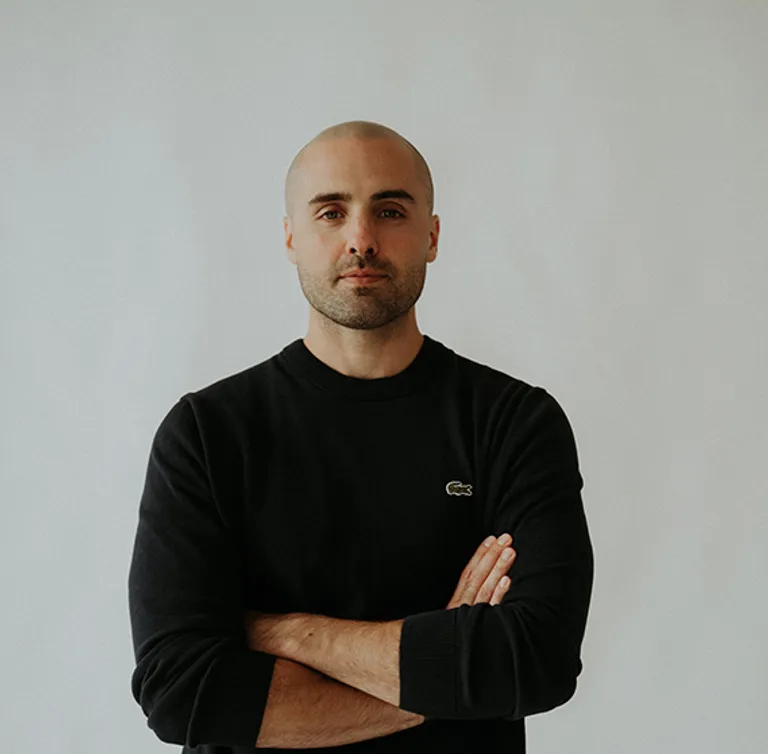
John Volpe, who earned his Ph.D. from Marywood University in May 2026, recently published a book examining childhood obesity in the United States through the lens of public policy and the legislative process.
The book explores how legislators and other public policy actors, including advocates, government agencies and industry representatives, approach childhood obesity and the competing priorities they bring to the issue. Volpe examines how those priorities can influence whether legislation advances, is changed or ultimately fails to move forward.
“At its core, the book describes how complex childhood obesity is as a public health issue, and how attempting to address it through public policy adds to that complexity,” Volpe said.
The research considers the ways different values and perspectives can shape how childhood obesity is understood and addressed. Volpe examines conflicts involving parental authority and public health mandates, economic interests and regulation, and individual responsibility and broader structural change.
Industry involvement is also a significant part of the research. Volpe examines how food and beverage interests can influence what legislation is drafted, what provisions are modified and which proposals may never reach the legislative agenda.
His research suggests that legislative action may be more likely when policymakers can find areas of agreement. Among the approaches he identifies are nutrition education that treats healthy eating as a skill students can develop, physical education designed to encourage continued participation, and technology such as exergames that can incorporate movement into the school day.
Volpe's interest in the topic grew from his interest in health and wellness as well as his exposure to politics through his father.
“I was inspired to pursue this research because of my love for health and wellness, and a specialized understanding of politics I learned from my father,” Volpe said.
His research also examined the economic impact of childhood obesity in the United States and the influence of industry practices, including financial relationships with organizations that Americans rely on for health and nutrition guidance.
Volpe said his research at Marywood provided an important foundation for the book. As part of his work, he conducted interviews with Pennsylvania legislators, giving him an opportunity to examine the issue through the experiences of policymakers directly involved in the legislative process.
Several Marywood faculty members influenced his research, with Dr. Lyter having a particularly significant role as his dissertation committee chair. Volpe said Lyter encouraged him to approach the research with neutrality and to focus on seeking the truth rather than allowing political perspectives to shape his conclusions.
“He cared that I remain neutral and helped me to do so,” Volpe said. “He wanted to seek the truth in this topic in anything that I do, because that is the aim of research and higher education.”
Volpe said completing the research and publishing the book required resilience, but his experiences at Marywood and the support of his dissertation committee helped prepare him for the process.
His connection to Marywood also shaped his interest in pursuing a life in higher education. As a student, a professor recognized Volpe's ability to understand philosophical concepts and encouraged him to consider philosophy as a minor. That conversation, which took place before the holiday break, stayed with him.
After walking outside to a snow-covered campus decorated for the holidays, Volpe began to consider the possibility that he might one day spend his career in higher education, continuing to expand his knowledge and teaching others.
Now, after earning his Ph.D. from Marywood and publishing his research, Volpe hopes the book will contribute to a better understanding of childhood obesity policy and be useful to legislators, advocates, agencies, health organizations and other stakeholders.
For Volpe, the significance of the work ultimately comes down to whether it can help the people affected by the issue.
“As long as it is helpful, even if it is just one person, then I will consider it valuable,” he said.
More Marywood News and Blogs
No news stories or blog posts match your filters in this widget.
-
 Marywood Graduate Publishes Book Examining Childhood Obesity Policy in the United States News Story
The book explores how legislators and other public policy actors, including advocates, government agencies and industry representatives, approach childhood obesity and the competing priorities they bring to the issue. Volpe examines how those priorities can influence whether legislation advances, is changed or ultimately fails to move forward.
-
 Marywood to Present War of the Worlds-The Panic Broadcast from October 22-25 News Story
Nearly 88 years after it was first broadcast in late October 1938, Marywood University’s theatre program presents War of the Worlds: The Panic Broadcast, a theatrical reimagining of one of the most infamous moments in American broadcasting history.
-
 Peoples Security Bank & Trust Supports Marywood Athletics as Ignite the Light Scoreboard Sponsor News Story
The new scoreboard brings an integrated game clock, shot clocks, and penalty indicators to Marywood’s multipurpose turf field.